2026 Top Star-seal Garbage Bags for Global Buyers?
In today's environmentally-conscious market, selecting the right garbage bags is crucial for both consumers and businesses. Among various options, "Star-seal Garbage Bags" stand out due to their reliable design and robust features. These bags are engineered for heavy-duty use, boasting a unique star-seal bottom that eliminates leakage and enhances their strength.
Global buyers often seek quality that meets demanding standards. Many brands claim to offer durability, yet not all deliver. It's vital to scrutinize these products for quality assurance. Star-seal Garbage Bags provide peace of mind for users, suitable for various applications, from household waste to industrial use. However, not every bag labeled as "heavy-duty" lives up to its promise.
Unpacking the needs of consumers reveals areas for improvement in product consistency and reliability. Some customers report varying quality among different suppliers. This disparity raises questions about sourcing and manufacturing practices. As we explore the top Star-seal options for 2026, understanding their benefits while acknowledging potential drawbacks is essential for making informed purchasing decisions.
Top Features of 2026 Star-seal Garbage Bags for Buyers
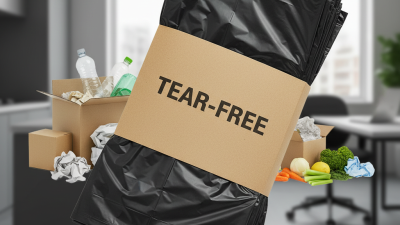
In 2026, star-seal garbage bags are set to make significant waves in the market. Their unique design and robust features provide users with both reliability and functionality. These bags boast excellent tear resistance. This quality means they can handle heavy loads without risking spills or leaks.
Buyers should also note the star-seal bottom, which allows for easier containment of waste. This feature prevents waste from escaping, making disposal a hassle-free experience. Additionally, these bags are often crafted from high-quality materials, ensuring durability and longevity. Customers appreciate bags that can stand up to the rigors of daily use, especially in demanding environments.
Tips: When choosing the right garbage bag, consider your disposal needs. Think about the types of waste you generate. Requirements may vary greatly between household use and large-scale commercial settings. Always opt for bags that not only meet standard requirements but also reflect your values of sustainability and performance. An insightful choice now can enhance your waste management experience significantly.
Comparison of Materials Used in Star-seal Garbage Bags
When selecting garbage bags, material quality is crucial. Star-seal garbage bags commonly use materials like HDPE, LDPE, and LLDPE. Each type serves a specific purpose. HDPE is strong and tear-resistant, while LDPE offers flexibility. LLDPE combines both strength and flexibility, making it a versatile choice.
However, not all materials are created equal. The thickness of the bags can vary, affecting their durability. Thinner bags may tear easily under heavy loads. This can lead to spills and messes, which are frustrating to clean. It's essential to consider how likely the bags are to hold up in real-life situations.
Many manufacturers focus on cost over quality. This often means subpar materials and performance. Consumers might be led to believe that all bags are equal, but this isn’t true. A critical look at the specifications is necessary. This process of comparison will ensure that buyers make informed decisions. Each option has its strengths and weaknesses, which must be weighed carefully.
Environmental Impact of Star-seal Garbage Bags
The environmental impact of star-seal garbage bags is a growing concern in today’s waste management landscape. According to a report by the Environmental Protection Agency (EPA), plastic waste contributes to nearly 30% of municipal solid waste in the U.S. each year. Star-seal garbage bags, known for their strong seals, may provide better durability but also add to the plastic pollution problem.
Many manufacturers are now exploring alternatives, such as biodegradable materials. A study by the Biodegradable Products Institute suggests that using biodegradable bags can reduce plastic waste by 25% when properly disposed of. Transitioning to these options could mitigate some environmental damage caused by traditional plastics. However, the effectiveness of such alternatives often depends on local waste management systems.
Tips: Choosing eco-friendly products can make a difference. Look for bags that are certified by reputable organizations. Additionally, consider reusing bags when possible to cut down on your overall waste. Awareness of proper disposal methods is crucial. Improper disposal can negate any benefits from using biodegradable options.
Best Practices for Choosing and Using Garbage Bags
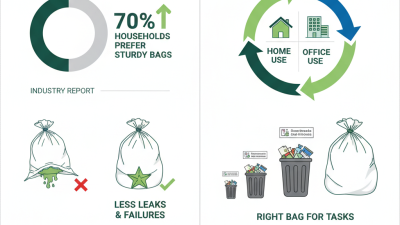
When selecting garbage bags, it's essential to consider their intended use. Different tasks require different types of bags. For instance, heavy-duty bags are ideal for construction debris, while smaller bags work for kitchen waste. Always check the weight limit. Bags that are too weak can tear, spilling their contents.
**Tips:** Look for bags with puncture resistance. This feature prevents sharp objects from causing holes. If you deal with wet waste, consider waterproof options too. They offer better durability and prevent leaks.
Using garbage bags correctly enhances their efficiency. Ensure you do not overfill bags, as this can lead to bursting. This will save you from messy clean-ups. Use simple twist ties or clips to secure the bags. It makes transportation easier and keeps odors contained.
**Tips:** Choose opaque bags for better waste concealment. Clear bags may be convenient for sorting but can be unsightly. Always store extra bags in an easily accessible place to reduce last-minute rushes.
Market Trends and Demand for Garbage Bags in 2026
As we look toward 2026, the demand for garbage bags is expected to rise significantly. Urban centers are growing, leading to increased waste production. Consumers are becoming more environmentally conscious. This shift drives the need for sustainable materials in garbage bags. Manufacturers are focusing on eco-friendly options to meet this demand. However, there is still a long way to go in terms of fully sustainable products.
Market trends indicate a surge in innovation. Biodegradable and compostable bags are gaining traction. These products often come at higher prices, making affordability a challenge. Not all consumers are fully aware of the benefits of green options. Education around proper waste disposal is critical. Moreover, manufacturers face the challenge of scaling up production without compromising quality. It’s a complex problem that needs addressing.
Despite progress, issues remain in packaging waste. Not all bags meet environmental standards. The inconsistency in regulations across regions can create confusion for buyers. Some consumers continue to prefer traditional plastic bags due to convenience. Balance between convenience and sustainability is crucial. Investing in research will help tackle these challenges effectively. Understanding the market trends is essential for meeting future demands.