2026 Best Plastic Wrap Options for Every Kitchen Need?
In the modern kitchen, choosing the right Plastic Wrap is essential for food preservation and waste reduction. Recent industry reports indicate that the global plastic wrap market is projected to reach $15 billion by 2026, with an increasing demand for eco-friendly options. This growth reflects consumers' heightened awareness about sustainability and health.
Moreover, the effectiveness of Plastic Wrap is not solely based on its material; different types serve varied purposes. For instance, PVC-based wraps are ideal for short-term storage, while PE-based wraps offer better sealing properties. A survey revealed that over 70% of households use plastic wraps regularly, emphasizing their role in everyday cooking and meal prep.
However, despite their convenience, the environmental impact of plastic wrap cannot be ignored. Many wraps are single-use and contribute to landfill waste. This raises important questions about packaging innovations and recycling solutions. As the industry evolves, it must address these challenges head-on, pushing for more sustainable practices while meeting consumer needs.
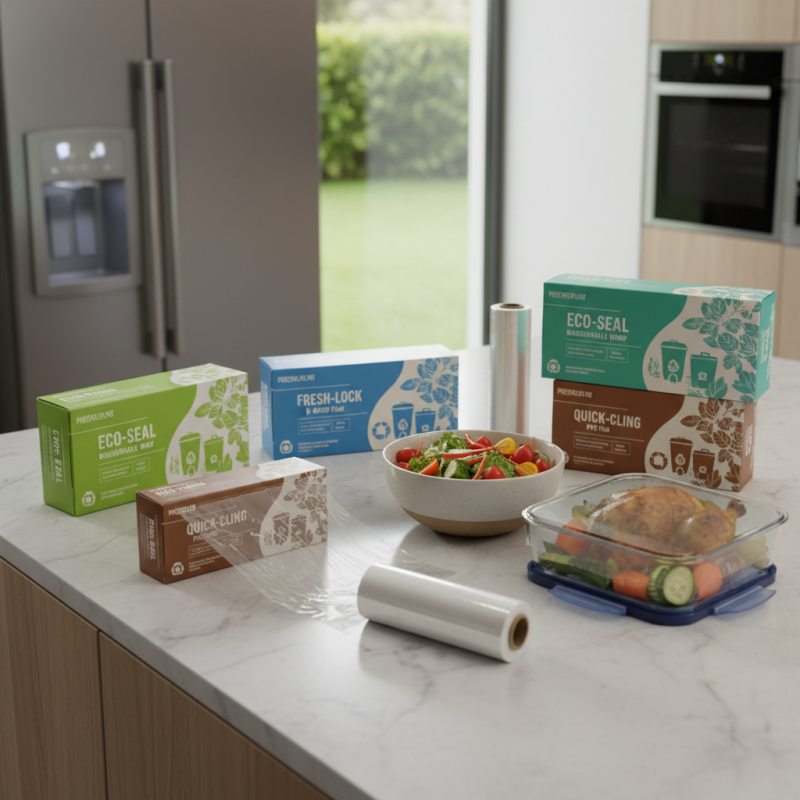
Best Plastic Wrap Types: An Overview of Materials and Uses
When choosing plastic wrap, it’s essential to understand the different materials available.
Polyvinyl chloride (PVC) is a common type. It offers excellent cling and stretch, making it ideal for wrapping food. However, concerns about its chemical leaching into food have arisen. A report from the American Chemical Society reveals that PVC can release harmful substances when heated. This aspect raises questions about its safety, especially in microwave situations.
Another popular option is polyethylene (PE). This type is known for being more environmentally friendly than PVC. It does not contain harmful additives and is generally considered safe for food contact. According to research by the Food and Drug Administration (FDA), polyethylene is stable and does not leach chemicals into food. However, it typically lacks the same level of stretch and cling compared to PVC.
Biodegradable wraps are emerging as innovative alternatives. Made from materials like beeswax or plant-based resins, they appeal to eco-conscious consumers. Despite their advantages, they often don't provide the same level of airtight sealing. Users may find that these wraps require more effort to secure food properly. As sustainability becomes a priority, the effectiveness versus the environmental impact remains a topic for debate in kitchens worldwide.
Key Features to Consider When Choosing Plastic Wrap for Kitchen Needs
When selecting plastic wrap for your kitchen, several key features should influence your choice. First, consider the thickness of the wrap. Thicker materials generally offer better durability. Yet, they may be harder to cut. Some users prefer a thinner wrap for ease of handling, but must assess its strength and clinginess.
Next, look for a wrap that provides excellent cling properties. A strong seal prevents air from getting in. This is crucial for keeping food fresh. However, not all wraps cling equally well. Some may seem sticky at first but lose their grip over time. Testing a few different types can yield insights into their effectiveness.
Finally, think about the size of the roll. A larger roll may offer better value but could be cumbersome in smaller kitchens. Smaller rolls are easy to store but may require more frequent replacements. Balance your space limitations with your cooking habits. Each factor plays a significant role in finding the right plastic wrap for your needs.
2026 Best Plastic Wrap Options for Every Kitchen Need
Comparing Popular Brands: Which Plastic Wrap Offers the Best Value?
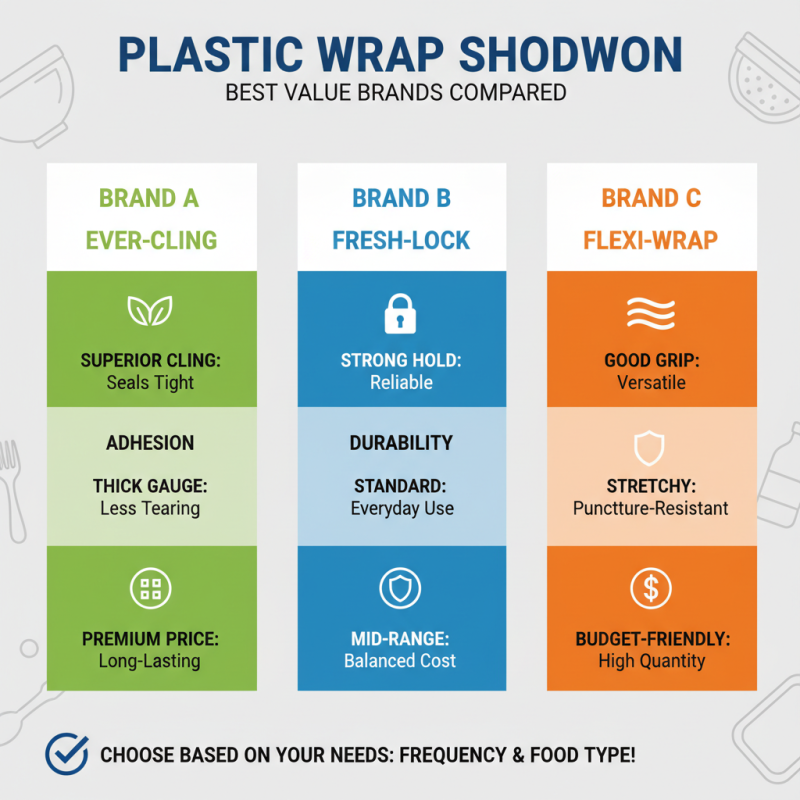
When it comes to choosing plastic wrap, many options are available. Each variation serves different kitchen needs. The right choice can save time and reduce food waste. Some plastic wraps stick well, while others might not cling as effectively. It's essential to consider how often you'll use it.
Value is a critical factor. A higher-priced option may not always be superior. Sometimes, cheaper alternatives perform just as well. Pay attention to the thickness. Thicker wraps often provide better coverage and protection. On the other hand, thinner options might tear easily. Look for user reviews online. They can reveal insights on durability and satisfaction.
Tips for selecting the best plastic wrap: Always check for BPA-free certification when possible. This ensures safety for food storage. Unclinging edges can be frustrating. Cut carefully to avoid waste. Lastly, don’t overlook the dispenser options. A good dispenser makes handling much easier and prevents messy situations. Remember, the best choice aligns with your specific kitchen needs.
Eco-Friendly Alternatives: Sustainable Options for Plastic Wrap
As the environmental impact of single-use plastics becomes clearer, many kitchens are seeking sustainable alternatives to traditional plastic wrap. According to a report by the Ellen MacArthur Foundation, plastic pollution could triple by 2040 if current trends continue. This reality urges us to reconsider our everyday choices in food storage.
Eco-friendly options are gaining traction. Beeswax wraps, for instance, use natural materials. They can be reused and composted after their life cycle. Similarly, silicone food savers offer flexibility for various container sizes. These alternatives not only reduce plastic waste but also often outperform traditional plastic in keeping foods fresh. According to a study by the Journal of Cleaner Production, sustainable options can cut down plastic waste by over 80% in some households.
However, there’s room for improvement in the eco-friendly market. Many alternatives still harbor challenges, such as higher production costs and limited availability. Users sometimes find them less convenient compared to plastic wrap. It is crucial to balance convenience with sustainability. By making informed choices, we can gradually reduce our reliance on plastic wrap without sacrificing the quality of food preservation.
2026 Best Plastic Wrap Options for Every Kitchen Need
| Material Type |
Sustainability Rating |
Best Uses |
Price Range |
| Cling Film |
Low |
Wrapping leftovers, covering bowls |
$5 - $10 |
| Beeswax Wrap |
High |
Sandwiches, fruits, cheese |
$15 - $25 |
| Silicone Wrap |
Medium |
Bowl covers, food storage |
$10 - $20 |
| Compostable Wrap |
Very High |
Everyday use, meal prep |
$12 - $22 |
| PVDC (Polyvinylidene Chloride) |
Medium |
Meat packaging, moisture barrier |
$7 - $15 |
Tips for Proper Storage and Use of Plastic Wrap in Your Kitchen
When using plastic wrap, proper storage and technique are key. According to a recent survey, approximately 75% of households use plastic wrap regularly. Yet, many underestimate how to maximize its effectiveness. Ensure you store your plastic wrap in a cool, dry place. Exposure to heat can lead to degrading quality.
Tips: Always keep the roll right side up. This prevents unwanted unraveling. When cutting, use a serrated edge for smoother lines. Properly sealing your food can prevent air from getting in, reducing spoilage. A tight seal keeps your meals fresher for longer.
Be mindful of how you use plastic wrap. If the surface is greasy, the wrap won't adhere properly. For better results, wipe the container lightly with a cloth before sealing. Sometimes, using too much wrap can be wasteful. Aim for just enough to cover the food without excess. These small adjustments can lead to a more efficient kitchen experience.