How to Choose the Best Shopping Plastic Bags for Your Needs?
Choosing the right shopping plastic bags is crucial for both consumers and retailers. According to a recent report by the Plastic Industry Association, the use of plastic bags in retail has increased by 25% over the past five years. This trend highlights the importance of understanding the various types of shopping plastic bags available.
Industry expert Dr. Linda Thompson emphasizes, "The choice of shopping plastic bags impacts both customer satisfaction and brand perception." This underscores the necessity of selecting bags that not only serve their functional purpose but also align with your brand’s values. With so many options, including biodegradable and reusable bags, making an informed decision can be overwhelming.
Many businesses overlook the environmental implications of their choices. The effectiveness of shopping plastic bags can vary greatly, and choosing the wrong type might lead to waste or dissatisfaction. Consumers increasingly favor sustainable options, and brands must adapt to this shift. Balancing functionality, cost, and sustainability is essential in today’s shopping environment.
Understanding Your Shopping Needs and Preferences
When selecting shopping plastic bags, understanding your specific needs is crucial. Consider what types of items you frequently purchase. Heavy groceries require sturdier bags. According to a 2022 market report, 70% of consumers prefer reusable bags due to their durability. However, many still opt for plastic, highlighting a gap in preferences.
Consider the environment. Many shoppers are now more conscious of their ecological impact. A survey showed 60% of respondents are willing to pay more for eco-friendly options. That's a significant shift in consumer habits. Tips: always assess bag strength. Look for thickness and material quality. Often, bags labeled as “high-density” last longer.
Reflect on convenience too. How often do you forget bags at home? Approximately 40% of shoppers admit to leaving reusable bags behind. This behavior raises questions about commitment to sustainability. Tips: keep bags in your car or near the front door. Regular reminders can help form a habit. The right choice hinges on balancing preferences with practicalities, allowing you to shop efficiently and responsibly.
How to Choose the Best Shopping Plastic Bags for Your Needs?
| Bag Type |
Material |
Load Capacity (kg) |
Eco-Friendly Option |
Cost (USD) |
| Flat Bags |
LDPE |
5 |
No |
0.10 |
| T-shirt Bags |
HDPE |
7 |
No |
0.15 |
| Reusable Shopping Bags |
PPW (Polypropylene Woven) |
10 |
Yes |
1.00 |
| Compostable Bags |
PLA (Polylactic Acid) |
4 |
Yes |
0.25 |
| Biodegradable Bags |
PBAT + PLA |
6 |
Yes |
0.30 |
Evaluating Different Materials for Shopping Plastic Bags
When selecting shopping plastic bags, material choice is crucial. Traditional plastic bags made from polyethylene are common. However, they can take hundreds of years to decompose. In contrast, biodegradable options are made from starches or other natural materials. These alternatives break down faster, contributing less to environmental pollution. According to the EPA, plastic bags account for a significant portion of plastic waste, highlighting the need for sustainable options.
Tips: Before purchasing, consider how often you'll reuse the bags. Reusability greatly impacts their long-term environmental footprint. Some research indicates that reusable bags reduce plastic use significantly; for instance, one reusable bag can replace around 700 single-use bags over its lifetime.
Another material worth examining is recycled plastic. Bags made from recycled materials can mitigate the environmental impact, yet they still require energy to produce. The key is finding a balance between utility and sustainability. Some studies suggest that while recycled bags are better than new plastic, their production is not always energy-efficient.
Tips: Explore local recycling programs. They often provide insights on effective disposal methods. Understanding the lifecycle of your bags is essential. The better informed you are, the more conscious your choices will be.
Analyzing Size and Capacity Options for Plastic Bags
When selecting plastic shopping bags, understanding size and capacity is essential. Different bags serve various purposes, influencing how much you can carry. A small bag is ideal for lightweight items, like snacks or small goods. For groceries or larger purchases, consider medium to large options. Assessing your typical shopping habits helps determine the right sizes.
Capacity is another critical factor. A thicker bag often holds more weight. For instance, bags rated for heavier loads can accommodate bulk items without tearing. Thinking about the bag's intended use makes a difference too. Will you be using it for daily errands or special occasions? This consideration can guide your choice effectively.
It’s crucial to keep in mind that not all bags are created equal. Some might look appealing but fail to support heavier items. You might find bags that collapse under pressure. Researching different materials can provide helpful insights. Reflecting on past experiences with bags can reveal what works best for you. Adjusting your choices based on size and capacity will enhance your shopping experience.
Considering Environmental Impact and Reusability
When selecting shopping plastic bags, consider their environmental impact and potential for reuse. A report from the Environmental Protection Agency highlights that plastic bags contribute significantly to ocean pollution. In the U.S. alone, around 100 billion plastic bags are used annually. The majority end up in landfills or waterways, posing risks to wildlife.
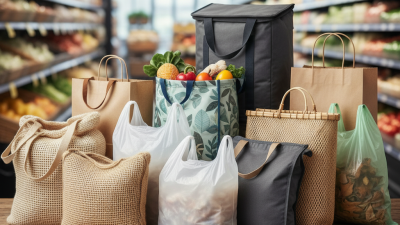
Reusability is crucial in mitigating environmental damage. According to a research study by the World Economic Forum, switching to reusable bags could reduce plastic waste by up to 80%. In this context, reusable bags made from durable materials, like cotton or recycled plastics, offer sustainable alternatives. While they may cost more upfront, their longevity justifies the investment.
However, not all reusable bags perform equally. Some materials degrade over time, leading to questions about their effectiveness. Regularly assessing the condition of reusable bags is essential. Users should also consider how often they will actually use these bags. A bag intended for occasional use may not be worth the environmental cost if it replaces multiple single-use bags. This nuanced approach ensures more thoughtful shopping choices that prioritize both practicality and sustainability.
Comparing Cost and Quality of Available Plastic Bag Options
When selecting shopping plastic bags, it's essential to weigh both cost and quality. Cheaper options may save money but could lack durability. A flimsy bag might tear easily, causing inconvenience. Consider the thickness of the plastic; thicker bags often signify better quality. However, this may come with a higher price tag.
Tips for choosing the right bags include assessing your needs first. Are you using them for groceries or merchandise? Different purposes require different bag strengths. Look for bags that offer a balance of affordability and robustness. Not all bags are created equal. You might find a cheap option that surprisingly holds more weight than a pricier alternative.
Reflect on the environmental impact as well. While many cheap bags are convenient, they can contribute significantly to plastic waste. Opting for higher-quality, reusable options might seem costly upfront but could save you money in the long run. Think about sustainability. Your choice can affect the world around you. Strive to make informed decisions when selecting plastic bags.