10 Essential Tips for Choosing Eco Trash Bags Effectively?
Choosing the right Eco Trash Bags is essential for sustainable living. These bags not only help reduce waste but also minimize environmental impact. With various options on the market, making an informed choice can be overwhelming.
When selecting Eco Trash Bags, consider factors like material, size, and durability. Biodegradable options, made from plant-based materials, are often preferred. They break down naturally, unlike traditional plastic bags. Pay attention to certifications, as they indicate a product’s environmental credibility.
Sometimes, you might be drawn to cheaper options. However, lower quality can lead to leaks and tears. Investing in reliable Eco Trash Bags ultimately saves you money and effort. Your choice reflects your values, so prioritize products that align with your commitment to the environment.
Understanding the Importance of Eco-Friendly Trash Bags
Choosing eco-friendly trash bags is more than a simple choice; it’s a commitment to our planet. Traditional trash bags often contribute to plastic waste in landfills. They can take hundreds of years to decompose, releasing harmful toxins in the process. This impacts soil and water quality. Eco-friendly bags, on the other hand, are made from biodegradable materials. They break down faster, reducing environmental damage.
Understanding the importance of eco-friendly trash bags encourages responsible waste management. These bags not only help lessen plastic pollution but also promote a circular economy. Many eco bags are made from renewable resources, like cornstarch or recycled paper, which are far less harmful. However, buyers must be wary; not all bags marketed as "eco-friendly" deliver on their promises. Some may still contain
petroleum-based additives. Researching the materials and certifications can guide you in making informed choices. It’s a learning process that requires ongoing reflection and adjustment.
Identifying Biodegradable and Compostable Materials
When choosing eco trash bags, understanding materials is crucial. Often, consumers confuse biodegradable and compostable. Knowing the difference can influence your environmental impact. According to the Biodegradable Products Institute, biodegradable materials break down in the environment, while compostable ones decompose into nutrient-rich soil in industrial settings.
Tip: Check for certifications. Look for bags that meet ASTM D6400 or EN 13432 standards. These labels indicate that the bags are truly compostable. Misleading claims can lead consumers to purchase products that don't meet these specifications.
It's also vital to consider additives. Many bags labeled as biodegradable contain additives that can harm the environment. The environmental impact of these additives is often overlooked. A 2021 report from the Ellen MacArthur Foundation found that a significant percentage of biodegradable bags actually do not decompose fully in landfills.
Tip: Do your research on materials. Opt for bags made from plant-based materials. Cornstarch, for instance, is a common choice. These bags break down more effectively in composting facilities. Sustainable choices contribute to reduced plastic pollution.
Biodegradable vs. Compostable Materials in Eco Trash Bags
Evaluating the Durability and Strength of Trash Bags
When selecting eco-friendly trash bags, durability and strength are critical factors. According to a 2022 report by the Environmental Protection Agency, about 25% of trash bags fail during use, leading to leaks and messy cleanups. This underlines the importance of choosing robust options that can withstand daily demands.
Research indicates that the average household generates 4.5 pounds of waste daily. A strong trash bag should be able to support this weight while preventing punctures. Many eco-oriented bags are made from recycled materials, which can sometimes compromise their strength. Look for bags that boast both sustainability and high tear resistance. We need to question whether our choices adequately balance eco-friendliness and functionality.
Testing the thickness of trash bags is essential. Thicker bags often handle heavier waste better, yet some eco-friendly options sacrifice thickness for being biodegradable. Reviews from industry experts suggest that consumers should consider bags with a minimum thickness of 0.9 mils for household use, but evaluate the trade-offs involved. Balancing environmental concerns with practical needs may not always lead to perfect solutions but remains vital in our purchasing decisions.
10 Essential Tips for Choosing Eco Trash Bags Effectively
| Tip No. |
Tip |
Durability |
Strength (in lbs) |
Material |
| 1 |
Check for Certification |
High |
30 |
PLA |
| 2 |
Consider Thickness |
Medium |
25 |
Recycled Plastic |
| 3 |
Look for Compostable Options |
High |
32 |
Cornstarch |
| 4 |
Evaluate Size Needs |
Variable |
20-40 |
Diverse |
| 5 |
Check for Leak-Proofing |
High |
31 |
Biodegradable Plastic |
| 6 |
Research User Reviews |
Medium |
28 |
N/A |
| 7 |
Acknowledge Environmental Impact |
Variable |
Varies |
Plant-Based |
| 8 |
Compare Prices |
N/A |
N/A |
Various |
| 9 |
Choose User-Friendly Features |
High |
33 |
N/A |
| 10 |
Ensure Easy Disposal |
Medium |
26 |
Paper |
Considering the Size and Volume Needs of Your Waste
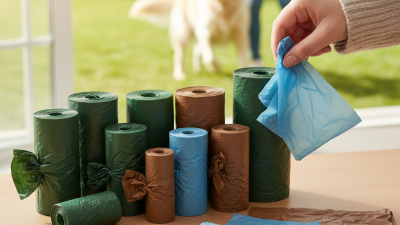
When selecting eco trash bags, understanding your size and volume needs is crucial. Different types of waste require bags of different sizes. For instance, kitchen scraps may need smaller bags, while yard waste requires larger ones. Assessing the space available for bag storage influences your choice too. If you have limited room, opt for compact, roll-style bags that can be easily stored.
Consider the typical volume of waste you generate. Families or individuals with high waste production need larger bags. In contrast, those who produce less might benefit from smaller sizes to prevent excess plastic usage. Always measure common disposal items. This helps in making informed decisions.
Many overlook pre-existing bag sizes and choose based on convenience. This can lead to improperly filled bags and wasted materials. A perfect bag for one might not suit another's needs. Engaging in mindful assessments before purchasing can yield better results. Adjusting to these specifications leads to reduced waste and more effective management of trash disposal practices.
Exploring Certifications and Labels for Eco Trash Bags
When selecting eco trash bags, understanding certifications and labels is crucial. These indicators help consumers identify the environmental impact of the products.
Common certifications include Biodegradable Products Institute (BPI) and ASTM D6400, both ensuring that bags decompose effectively in industrial composting conditions.
According to recent data, only 25% of landfill waste is biodegradable. Using certified bags can aid in reducing this percentage.
Another important label to look for is the “Recyclable” mark. Research suggests that over 75% of consumers favor products with clear recycling information. This information empowers users to make informed choices.
It's worth noting that not all bags labeled as “biodegradable” meet rigorous standards. Some products may break down into microplastics, causing further environmental issues. Critical evaluation is necessary.
The importance of understanding these labels cannot be overstated. Many consumers might assume all eco trash bags are the same, leading to decisions that do not align with sustainable practices.
A deeper dive into certifications reveals a complex landscape of environmental claims. This confusion could hinder effective waste management efforts and diminish the positive impact intended by using eco-friendly products.
Each choice matters.