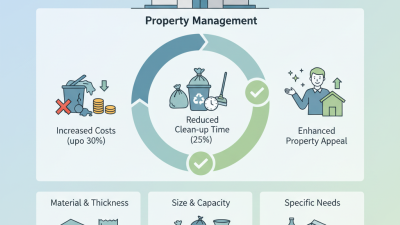
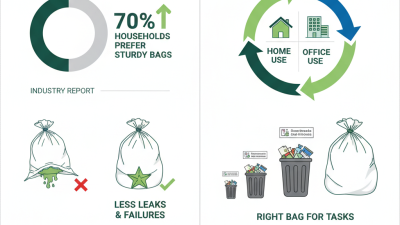
Top 10 Property Management Garbage Bags Suppliers?
Managing waste across apartments, offices, and mixed-use buildings requires more than buying the cheapest liner. Property managers handle overflowing bins, sharp packaging, wet food waste, and daily collection schedules. A weak bag can split in a hallway, stain a service elevator, or create avoidable complaints. This guide introduces ten suppliers associated with dependable Property Management Garbage Bags for routine building operations.
The selection considers practical factors, including bag capacity, thickness, closure design, leak resistance, case quantities, and delivery consistency. A 55-gallon contractor bag may suit renovation debris, while a smaller drawstring liner works better in tenant kitchens or office washrooms. Supplier communication also matters. Clear product specifications, sample availability, responsive claims handling, and realistic lead times can prevent rushed substitutions. Environmental claims deserve careful review, too. Recycled content, compostability, and certification should be verified rather than accepted from attractive packaging alone.
No supplier is perfect.
The “best” option depends on building size, waste type, labor routines, and local disposal requirements. A property manager overseeing thirty apartment buildings may prioritize pallet pricing and stable inventory. A boutique office may value clean presentation and easy-to-carry bags instead. This overview therefore avoids treating one product as universally superior. It highlights useful strengths, possible limitations, and questions buyers should ask before signing a supply agreement. Some performance details can vary by batch or application, so field testing remains important. The rankings are a practical starting point, not a substitute for measuring actual usage, failure rates, and tenant feedback.
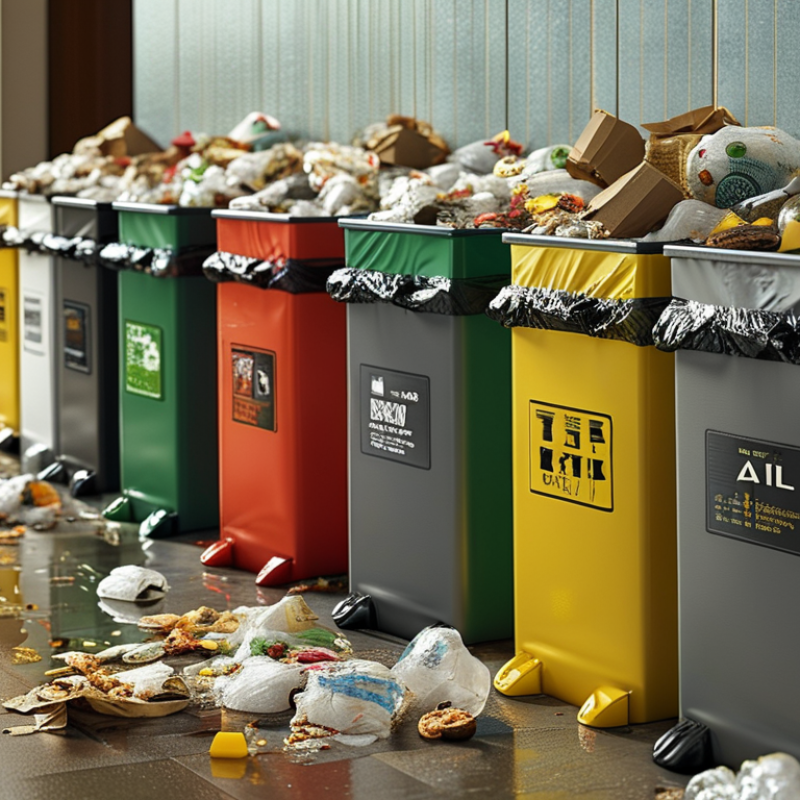
Property Management Waste-Bag Market Scope: 2.01 Billion Tonnes of Global MSW
The global municipal solid waste stream reaches about 2.01 billion tonnes each year. Property managers directly influence a small, but important, share of this volume. A busy apartment complex can fill hundreds of bags weekly from kitchens, offices, corridors, and outdoor bins. Bag selection should match waste density, collection frequency, and container size. Small details matter.
A dependable supplier should provide clear information on thickness, puncture resistance, leak protection, roll dimensions, and recycled content. Heavy food waste needs stronger seams than dry paper waste. Outdoor service areas may require bags that tolerate moisture and rough handling. During supplier reviews, managers should request samples and test them with real site waste. Laboratory claims alone can mislead.
Cost also requires careful judgment. The cheapest bag may split early, creating extra labor, cleaning, and replacement expenses. A slightly higher unit price can reduce total handling costs. However, a premium specification is not always practical for every waste stream. I would not assume one bag fits all properties. Site audits, staff feedback, and monthly usage records often reveal overlooked waste. Suppliers with consistent delivery, traceable product data, and responsive support are easier to assess. Clear documentation also helps property teams make safer and more accountable purchasing decisions.
Supplier Ranking Criteria: Capacity, ASTM D6400, EN 13432, and ISO 21898 Compliance
Top 10 Property Management Garbage Bags Suppliers?
Ranking property management garbage bag suppliers requires more than comparing roll prices. Capacity comes first: check bag dimensions, usable volume, liner thickness, and tested load weight. A 60-liter bag may hold less when fitted inside a narrow bin. Ask for puncture, tear, and leak test results. Small details matter.
ASTM D6400 evaluates plastic products designed for aerobic municipal and industrial composting. EN 13432 focuses on packaging recoverability through industrial composting, including disintegration and ecotoxicity requirements. These standards are related, but they are not interchangeable. Suppliers should provide current certificates, laboratory reports, and clear product identification. Vague claims such as “eco-friendly” are weak evidence.
ISO 21898 concerns flexible intermediate bulk containers for non-dangerous goods, so its relevance depends on the bag’s construction and intended capacity. A supplier should explain this connection instead of placing an irrelevant logo on a datasheet. During supplier reviews, request samples and test them with wet food waste, sharp carton edges, and a full bin lift. I once trusted a thickness figure that looked impressive; the seams still failed. That mistake changed my checklist. Rank suppliers by verified performance, traceable documentation, and honest limits, not attractive wording.
Top 10 Garbage-Bag Suppliers by Thickness, Capacity, Recycled Content, and MOQ
Property management teams need garbage-bag suppliers that perform consistently across apartments, offices, and shared facilities. A practical top-ten shortlist should compare thickness, capacity, recycled content, and minimum order quantity, not just unit price.
For light bathroom waste, bags around 0.7 to 0.9 mil can reduce material use. Kitchen and maintenance areas usually need 1.2 to 1.5 mil thickness. Heavy landscaping waste may require stronger construction and reinforced seals. Capacity matters too. Thirteen-gallon bags suit small bins, while 33-, 55-, or 90-gallon bags fit larger containers. A bag that stretches poorly can waste labor.
Recycled content deserves careful review. Ask whether the material is post-consumer recycled plastic and request current supporting documents. High recycled content can vary in odor, color, and tear resistance. Test samples with wet food waste, broken packaging, and full-bin lifting. Do not trust a clean sample alone. I have seen bags pass a visual check but split at the bottom during collection. MOQ also affects storage costs. Smaller orders help smaller properties, while pallet-level orders may lower pricing for large portfolios. Supplier reliability includes lead times, thickness tolerance, carton labeling, and replacement procedures. These details are easy to overlook. They should not be.
Commercial Property Use Cases: Offices, Hotels, Apartments, and Construction Sites
Property Management Garbage Bags: Commercial Use Cases
Garbage bag suppliers for commercial properties must match waste volume, weight, and handling conditions. The World Bank’s What a Waste 2.0 report estimates 2.01 billion tonnes of municipal waste are generated globally each year. Offices need lightweight liners for paper, food scraps, and restroom bins. Hotels require stronger bags for housekeeping carts, kitchens, and event rooms. Apartments usually need leak-resistant bags for shared waste rooms. Construction sites demand tear-resistant sacks for dusty, sharp, and bulky debris.
The U.S. Environmental Protection Agency reported about 600 million tons of construction and demolition debris in 2018. That volume explains why thin bags often fail on active sites. A reliable supplier should offer several thicknesses, sealed seams, clear specifications, and consistent delivery. Recycled-content options can support procurement goals, but performance should not be assumed. Some “green” bags split too easily. That remains a practical concern.
Tips: Test bags in real service areas before signing a large contract. Place weighted samples in hotel carts, apartment dumpsters, and office kitchens. Record leaks, odors, punctures, and removal time. For construction sites, confirm liner dimensions and closure strength. The EPA’s Facts and Figures report also recorded 292.4 million tons of U.S. municipal solid waste in 2018. Waste patterns change by property. Supplier reviews should change with them.
This chart shows typical commercial garbage bag capacity ranges used for property-management applications. Offices generally use smaller liners, while hotels, apartment facilities, and construction sites typically require larger capacities. Actual requirements vary according to occupancy, waste density, collection frequency, and local regulations.