Are Biodegradable Bags the Future of Eco Friendly Packaging?
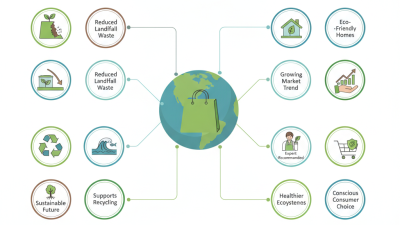
In recent years, the demand for eco-friendly solutions has surged. As consumers become more environmentally conscious, industries are seeking alternatives. One promising option is biodegradable bags. According to a recent report by Grand View Research, the global biodegradable bags market is projected to reach USD 4.5 billion by 2026, growing at a CAGR of 14.3%.
Biodegradable bags break down more quickly than traditional plastic, reducing long-term waste. However, challenges remain. Not all biodegradable options are created equal. Some require industrial composting to decompose effectively, which isn't available everywhere. Moreover, awareness of these bags' benefits varies among consumers.
The potential of biodegradable bags is substantial, yet it is essential to address misconceptions. Proper use and disposal methods are crucial for maximizing their environmental benefits. As the industry evolves, continuous improvement and education will be necessary to ensure biodegradable bags can truly lead the way in eco-friendly packaging.
Overview of Biodegradable Bags and Their Materials
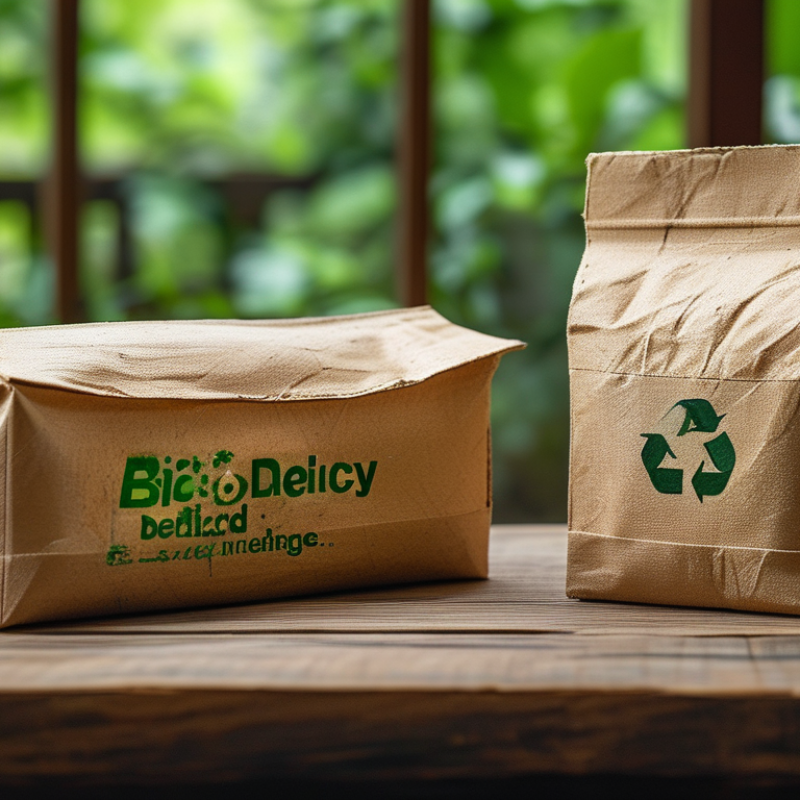
Biodegradable bags are gaining attention as a sustainable alternative in packaging. Made from materials like corn starch, these bags can decompose in natural environments. According to the Biodegradable Products Institute, the global biodegradable bag market is expected to grow significantly, with projections reaching $6.9 billion by 2026. This growth reflects a rising demand for eco-friendly solutions in various industries.
Despite their potential, biodegradable bags face challenges. They require specific conditions to break down effectively, often not found in landfills. A recent study indicated that only 9% of biodegradable bags are composted properly. This raises questions about their actual environmental impact. Misleading labeling can confuse consumers, leading to improper disposal practices.
The choice of materials also plays a crucial role. Traditional plastics do not degrade like these alternatives. However, some biodegradable bags may still leave microplastics behind. Understanding the differences between these materials is important. Consumer education is necessary to ensure biodegradable options fulfill their promise. As we explore the future of eco-friendly packaging, these factors demand careful reflection and improvement.
Environmental Benefits of Using Biodegradable Bags
Biodegradable bags are emerging as a promising alternative in eco-friendly packaging. They are designed to decompose naturally, reducing plastic waste. Unlike traditional plastic, which can linger in the environment for hundreds of years, these bags break down more quickly. This can significantly lessen pollution in landfills and oceans. Microbial activity or exposure to sunlight usually helps in degradation.
One of the key benefits is their impact on wildlife. Traditional plastic often harms animals that ingest it. Biodegradable options minimize this risk. Yet, there is a need for awareness; not all biodegradable bags decompose equally. Some require specific conditions to break down. If disposed of improperly, they may not achieve their intended environmental benefits. People may need to change their habits to ensure these bags are composted correctly.
Still, biodegradable bags are not a perfect solution. They can sometimes release methane in landfills, a potent greenhouse gas. This issue calls for further improvements in materials and methods. Education on proper disposal can help maximize their effectiveness. As we explore innovative packaging solutions, the focus should remain on sustainable practices that benefit our planet.
Environmental Benefits of Using Biodegradable Bags
Comparison: Biodegradable Bags vs. Traditional Plastic Bags
Biodegradable bags have gained attention as an eco-friendly alternative to traditional plastic bags. According to a report by the Environmental Protection Agency (EPA), approximately 300 million tons of plastic are produced each year, with a significant portion ending up in landfills and oceans. Unlike conventional plastic bags that take hundreds of years to decompose, biodegradable bags can break down in a matter of months under the right conditions.
A 2021 study by the World Economic Forum highlighted that biodegradable bags reduce greenhouse gas emissions by 80% compared to traditional plastics. This presents a compelling case for switching to biodegradable options. However, challenges exist. Not all biodegradable bags decompose effectively in landfills lacking proper conditions. Furthermore, consumer education around proper disposal remains limited, affecting overall environmental benefits.
Experts agree that while biodegradable bags offer potential advantages, their current market penetration remains low. A survey indicated that only 23% of consumers actively choose biodegradable products while shopping. This indicates a need for better awareness and education to bridge the gap between consumer choice and environmental impact. Transitioning away from traditional plastic bags is critical, yet it also requires systemic change in both production and disposal practices.
Challenges and Limitations of Biodegradable Packaging
Biodegradable bags are often seen as a solution to our plastic pollution problem. However, they come with significant challenges and limitations. One key issue lies in their disposal. Biodegradable bags require specific conditions to break down effectively. In landfills, they often do not decompose as intended. This leads to confusion about their true environmental impact.
Another concern is the production process. Creating biodegradable bags can sometimes involve environmentally harmful materials. These materials still require resources like water and energy, which can negate the ecological benefits. Understanding the full lifecycle of these bags is essential for discerning their efficacy.
Tips for consumers include checking certifications when buying biodegradable bags. Look for reliable symbols that indicate proper eco-friendly practices. It’s also wise to reduce overall plastic use, regardless of what type of bags you choose. Engage in community recycling programs, as this can help mitigate the challenges of disposal.
Finally, reflecting on personal usage is key. Consider alternatives like reusable bags. They often provide a more sustainable option in the long run. Exploring various eco-friendly packaging solutions can help in making informed choices for the environment.
Future Trends in Eco-Friendly Packaging Solutions
The landscape of eco-friendly packaging is evolving rapidly. Biodegradable bags are emerging as one of the promising options for sustainable packaging solutions. A recent report from the European Bioplastics Association predicts that the production of biodegradable plastics will reach over 2 million tons annually by 2025. This demonstrates a growing interest in materials that can break down naturally, reducing landfill contributions and pollution.
However, it's essential to approach this trend critically. While biodegradable bags may seem beneficial, their end-of-life conditions matter significantly. Studies reveal that a substantial percentage of biodegradable products end up in landfills, where they may not decompose effectively. The environmental impact can be minimal if the proper composting facilities are lacking. Additionally, misunderstanding what "biodegradable" truly means can lead to consumer confusion.
To enhance transparency, standardization in labeling is crucial. Many consumers want to make eco-friendly choices but often struggle with the available options. Reports indicate that 73% of consumers value clear information about sustainability. As businesses pivot towards greener practices, the challenge lies in ensuring that claims can be verified and that education accompanies product launches. Such efforts can build trust and redefine eco-friendly packaging in the future.
Are Biodegradable Bags the Future of Eco Friendly Packaging? - Future Trends in Eco-Friendly Packaging Solutions
| Material Type |
Biodegradation Time (Months) |
Environmental Impact (Rating 1-5) |
Market Adoption Rate (%) |
| PLA (Polylactic Acid) |
6-12 |
4 |
30 |
| PHA (Polyhydroxyalkanoates) |
3-6 |
5 |
10 |
| Starch-based |
2-3 |
4 |
25 |
| Compostable Paper |
1-2 |
3 |
50 |
| Bamboo Fiber |
6-12 |
4 |
15 |